When buying a new washing machine, it's easy to focus on features like drum capacity, energy efficiency and wash programmes. However, one specification that's often overlooked is the noise level. Whether your washing machine is installed in a kitchen, utility room or open-plan living space, choosing a quieter model can make a noticeable difference to your home.
Noise levels are measured in decibels (dB), and understanding what these ratings mean can help you make a more informed purchase. In this guide, we'll explain how washing machine dB ratings work, what is considered quiet, and which features can help reduce noise without compromising on performance.
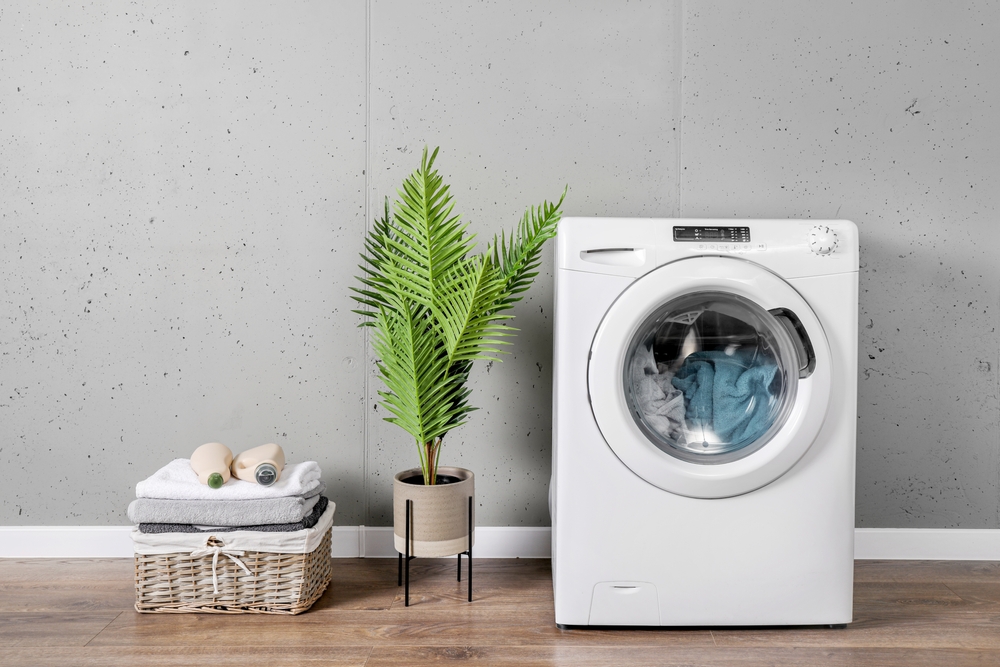
Every washing machine is tested to measure the amount of noise it produces during operation. Manufacturers usually provide two separate decibel ratings: one for the wash cycle and another for the spin cycle.
The wash cycle tends to be much quieter because the drum rotates slowly while cleaning your clothes. The spin cycle, on the other hand, reaches much higher speeds to remove excess water, making it the loudest part of the programme.
The decibel (dB) scale is logarithmic rather than linear, meaning even a small increase in the number represents a significant increase in sound. For example, a washing machine rated at 68dB during the spin cycle will sound noticeably quieter than one rated at 75dB.
As a general guide, modern washing machines typically fall within the following noise ranges:
For comparison, a normal conversation is around 60dB, while a vacuum cleaner can reach 70–75dB. Understanding these comparisons makes it easier to judge how noisy a washing machine is likely to feel in everyday use.
A quieter washing machine isn't simply a luxury—it can have a genuine impact on your daily routine. If your appliance is located close to bedrooms or living areas, excessive noise can become frustrating, particularly during evening washes.
Many households now choose to run appliances overnight to take advantage of off-peak electricity tariffs. A low-noise washing machine allows you to do this with less disruption, making it ideal for families, shift workers and anyone working from home.
Quiet appliances are particularly valuable in:
Several design features contribute to quieter operation, and they're worth looking out for when comparing different models.
Many premium washing machines now feature inverter motors. Unlike traditional brushed motors, inverter motors use fewer moving parts, reducing friction and vibration. This results in quieter operation, improved reliability and greater energy efficiency.
Modern drum balancing systems automatically distribute laundry more evenly before the spin cycle begins. This helps reduce vibration and prevents excessive movement, particularly when washing bulky items such as towels or bedding.
Some manufacturers include additional sound insulation around the drum and cabinet to absorb operational noise. While this feature often goes unnoticed, it can significantly improve the overall user experience.
A well-built washing machine with a reinforced cabinet is less likely to vibrate during high-speed spinning. Combined with quality suspension systems, this helps keep noise levels to a minimum.
Absolutely. Even the quietest washing machine can become surprisingly noisy if it's not installed correctly.
To achieve the best performance:
Poor installation often causes vibration that is mistaken for a noisy machine, so taking a few minutes to check the setup can make a significant difference.
If you regularly wash clothes during the evening, have an open-plan home or simply value a quieter living environment, paying attention to dB ratings is well worth it.
While quieter models sometimes cost slightly more, they often include premium features such as inverter motors, improved insulation and enhanced build quality. These additions don't just reduce noise—they can also improve energy efficiency, durability and long-term performance.
When comparing washing machines, don't focus solely on capacity or spin speed. Looking at the noise rating alongside energy efficiency, wash programmes and smart features will help you choose an appliance that suits both your lifestyle and your home.
Understanding washing machine dB ratings makes it much easier to compare models and find one that delivers excellent performance without unnecessary noise. While all washing machines become louder during the spin cycle, choosing a model with a lower dB rating and features such as an inverter motor, advanced drum balancing and improved insulation can make a noticeable difference.
Whether you're replacing an ageing appliance or buying your first washing machine, considering noise levels alongside performance, capacity and energy efficiency will help ensure your new appliance fits seamlessly into your everyday life. A quieter washing machine means less disruption, greater comfort and a more enjoyable laundry experience for years to come.
Browse out full range of high quality washing machines to find your perfect match.