There's nothing quite like realising you need a clean outfit in a hurry, only to discover your laundry basket is overflowing. That's where the quick wash setting on your washing machine can come to the rescue. Promising freshly washed clothes in as little as 15 to 30 minutes, it's an appealing option for busy households. But does a quick wash actually clean your clothes properly, or are you sacrificing cleanliness for convenience?
The answer depends on what you're washing, how dirty your clothes are and the type of washing machine you own. While quick wash cycles can be incredibly useful, they're not designed to replace every regular wash. In this guide, we'll explain exactly what a quick wash does, which clothes benefit from it and when you're better off choosing a longer cycle.
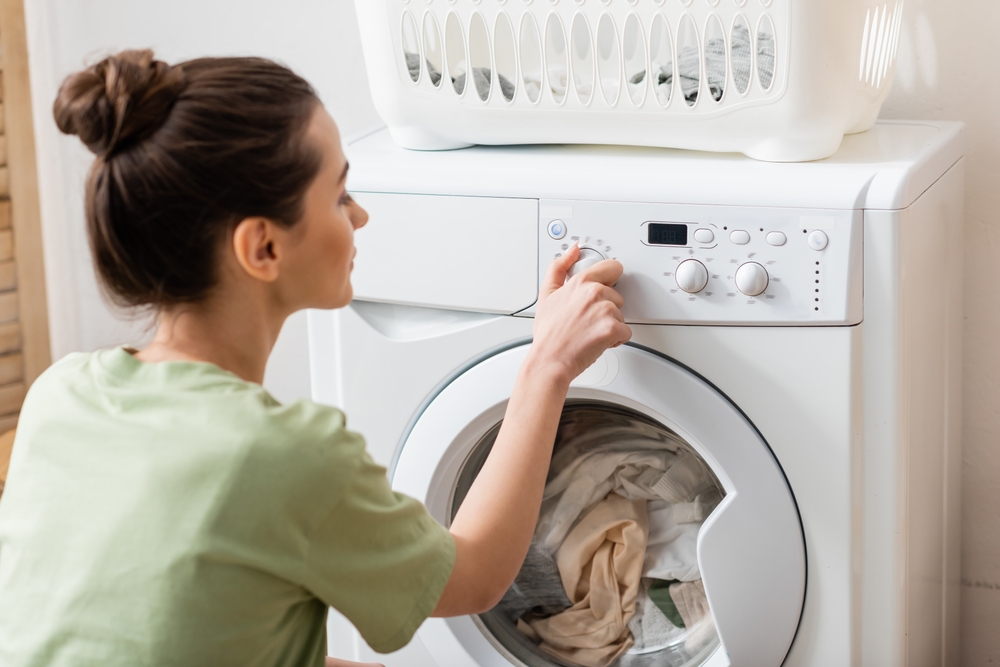
A quick wash is a shorter washing machine programme designed to clean lightly soiled clothing in a fraction of the time required by a standard cycle.
Depending on your washing machine's make and model, a quick wash typically lasts between 15 and 30 minutes, although some programmes run for 45 minutes or longer.
Unlike a standard washing cycle, which allows more time for detergent, water and drum movement to loosen dirt, a quick wash compresses the washing, rinsing and spinning stages into a shorter period.
To achieve this, washing machines may:
Quick wash settings are particularly useful when clothes need a light refresh rather than a thorough clean.
However, it's important to remember that a shorter washing cycle doesn't automatically deliver the same cleaning performance as a full-length programme.
One of the biggest misconceptions about quick wash cycles is that they clean all types of laundry just as effectively as longer programmes.
In reality, quick washes work best on clothing that is already relatively clean.
If you've worn a shirt for a few hours or your clothes have picked up a little dust during the day, a quick wash can usually remove this light surface dirt.
The combination of water, detergent and drum movement helps lift loose particles from fabrics, leaving them feeling fresher.
A quick wash can help remove small amounts of perspiration and mild everyday odours, particularly from clothes that haven't been worn for long.
For example, a T-shirt worn during a short walk or a blouse worn for a few hours in the office may benefit from a quick cycle.
However, heavily sweaty gym clothes or garments with persistent odours often need a longer wash to remove the build-up of sweat, body oils and bacteria.
Light traces of everyday dirt or fresh, minor marks may come out during a quick wash, especially if treated beforehand.
However, stubborn stains such as grease, coffee, grass and dried-on food generally require more time, suitable detergent and sometimes a dedicated stain treatment.
A quick wash is generally less effective at dealing with:
The shorter cleaning time means detergent has less opportunity to penetrate fabrics and break down difficult stains.
The key takeaway: Quick wash cycles are designed primarily for lightly soiled clothes, not heavily dirty laundry.
Knowing when to use a quick wash can help you save time while keeping your clothes looking and smelling fresh.
Here are some of the situations where this setting makes the most sense.
Perhaps you've worn a jumper for a couple of hours or tried on an outfit that doesn't need a thorough wash.
If the garment is suitable for machine washing and has no visible stains or strong odours, a quick wash can be an effective way to freshen it up.
Need a clean shirt for work or a particular outfit for an evening out?
A quick wash is ideal when you're short on time and only have a few lightly soiled garments to clean.
Just remember to check your washing machine's recommended quick wash capacity. Many models are designed to handle much smaller loads on this setting.
Everyday items such as casual tops, lightweight trousers and some synthetic garments can be suitable for quick washing, provided they aren't particularly dirty.
Always check the care label and select an appropriate temperature and spin speed.
Clothes that have been sitting in a wardrobe or drawer may sometimes benefit from a light refresh before being worn.
If they're simply a little stale rather than visibly dirty or musty, a quick wash may be sufficient.
However, clothing with a persistent damp or mouldy smell may need more thorough treatment.
Although quick washes are convenient, there are several situations where a longer washing programme is the better option.
Clothes covered in mud, food, grease or other stubborn dirt generally require a standard or intensive wash.
A quick wash may remove some surface dirt but leave deeper stains behind.
Towels, bed sheets and pillowcases can accumulate body oils, sweat and other residues.
They also tend to be bulky, which can make it difficult for a short cycle to wash and rinse them thoroughly.
A longer programme suitable for the fabric and load size is usually preferable.
Underwear and gym clothing can contain sweat, body oils and microorganisms that may not be adequately removed during a short, low-temperature wash.
For these items, choose an appropriate full-length programme, following the garment care labels and washing machine guidance.
Clothing contaminated with bodily fluids, reusable nappies and laundry used by someone who is unwell may need a more thorough wash.
A quick wash should not be relied upon to sanitise fabrics.
Where hygiene is particularly important, follow the textile care instructions and relevant hygiene guidance, using a suitable temperature, detergent and programme.
It's easy to assume that a washing machine running for 15 minutes must use less electricity than one operating for two hours.
However, a shorter cycle doesn't necessarily mean lower energy consumption.
Some quick wash programmes use more intensive drum movements or faster water heating to complete the wash in less time.
Meanwhile, modern eco washing programmes often run for significantly longer because they use lower temperatures and allow more time for detergent and mechanical action to clean effectively.
As a result, an eco cycle can sometimes use less electricity and water than a much shorter quick wash.
The actual difference depends on your washing machine, the selected temperature, the load size and the programme design.
If saving energy is your main priority, check the appliance's programme information rather than assuming the fastest cycle is the cheapest.
A quick wash is a convenient way to freshen up lightly worn clothes when you're short on time. It's ideal for small loads, everyday dust and mild odours, but it's not always the best choice for heavily soiled clothing, stubborn stains or items that need a more thorough clean.
While quick wash cycles can save valuable time, they aren't necessarily the most energy-efficient option. Longer eco programmes may use less water and electricity, making them a better choice when reducing household running costs is a priority.
Ultimately, knowing when to use a quick wash and when to choose a normal washing cycle can help you get the best results from your washing machine. By matching the programme to your laundry's needs, you can keep your clothes looking and smelling fresh while making the most of your appliance.
Visit our website to browse our full range of washing machines with quick wash cycles, as well as many other great features.